Drug Addiction: Understanding the Psychology, Risks, and the Path to Recovery
Drug addiction isn’t about weak willpower or poor character. It’s a complex psychological and behavioural condition that changes how the brain processes reward, stress, and control. For many people, addiction begins quietly. A substance used to cope, to escape, or to feel normal slowly becomes something the brain depends on. What starts as choice gradually turns into compulsion.
At Psych Lounge, addiction is approached as a mental health issue first one that deserves understanding, not judgement. Let’s break this down clearly, honestly, and without stigma.
What Is Drug Addiction?
Drug addiction, also known as substance use disorder, is a condition where a person continues to use drugs despite harmful consequences to their health, relationships, work, or safety. What defines addiction isn’t just use. It’s loss of control.
Key characteristics include:
● Strong cravings or urges to use the substance
● Difficulty stopping or reducing use
● Increased tolerance over time
● Withdrawal symptoms when not using
● Continued use despite negative outcomes
Addiction affects the brain’s reward system, decision-making processes, and emotional regulation. That’s why logic alone is rarely enough to stop it.
Why Drug Addiction Develops ?
Here’s the thing. Addiction doesn’t come from a single cause. It develops through a mix of psychological, biological, and environmental factors.
Psychological Factors
● Trauma or unresolved emotional pain
● Anxiety, depression, or chronic stress
● Low self-esteem or difficulty regulating emotions
● Using substances as a coping mechanism
Many individuals don’t start using drugs to feel “high.” They start to feel okay.
Biological Factors
● Genetic vulnerability
● Changes in brain chemistry linked to dopamine
● Increased sensitivity to reward or stress
● Exposure to drugs at a young age
● Peer pressure or unstable home environments
● Social isolation or lack of support
● Cultural normalisation of substance use
Addiction often grows where support systems are weak and emotional needs go unmet.
Common Types of Drug Addiction
Drug addiction can involve legal or illegal substances. The risk isn’t defined by legality, but by impact.
Common categories include:
● Stimulants such as cocaine or methamphetamine
● Depressants including opioids and sedatives
● Hallucinogens like LSD or psilocybin
● Prescription medications when misused
● Cannabis, especially with long-term heavy use
Each substance affects the brain differently, but the underlying addiction mechanisms remain similar.
Signs and Symptoms of Drug Addiction
Addiction doesn’t always look dramatic. In many cases, it hides in routine.
Behavioural Signs
● Secrecy or lying about substance use
● Neglecting responsibilities
● Withdrawal from family or social life
● Risk-taking behaviour
Emotional and Psychological Signs
● Mood swings or irritability
● Anxiety or depression
● Emotional numbness
● Loss of motivation
Physical Signs
● Changes in sleep or appetite
● Unexplained weight changes
● Frequent illness or fatigue
● Tolerance and withdrawal symptoms
If multiple signs persist over time, it’s often a signal that professional support is needed.
The Impact of Drug Addiction on Mental Health
Drug addiction rarely exists alone. It often co-occurs with other mental health conditions. Common links include:
● Depression
● PTSD
● Personality disorders
Substance use may temporarily mask symptoms, but it often worsens them long-term. This creates a cycle where mental health struggles fuel addiction, and addiction deepens psychological distress.
At Psych Lounge, this connection is central to how addiction is understood and treated.
Why Shame Makes Addiction Worse ?
One of the most damaging myths around drug addiction is that shame helps people stop. It doesn’t. Shame increases secrecy, isolation, and emotional pain all of which strengthen addictive behaviour. When people feel judged, they’re less likely to seek help and more likely to continue using.
What actually supports change is:
● Psychological safety
● Compassionate accountability
● Evidence-based therapy
● Consistent emotional support
Recovery begins when a person feels understood, not blamed.
Recovery From Drug Addiction: What Actually Helps?
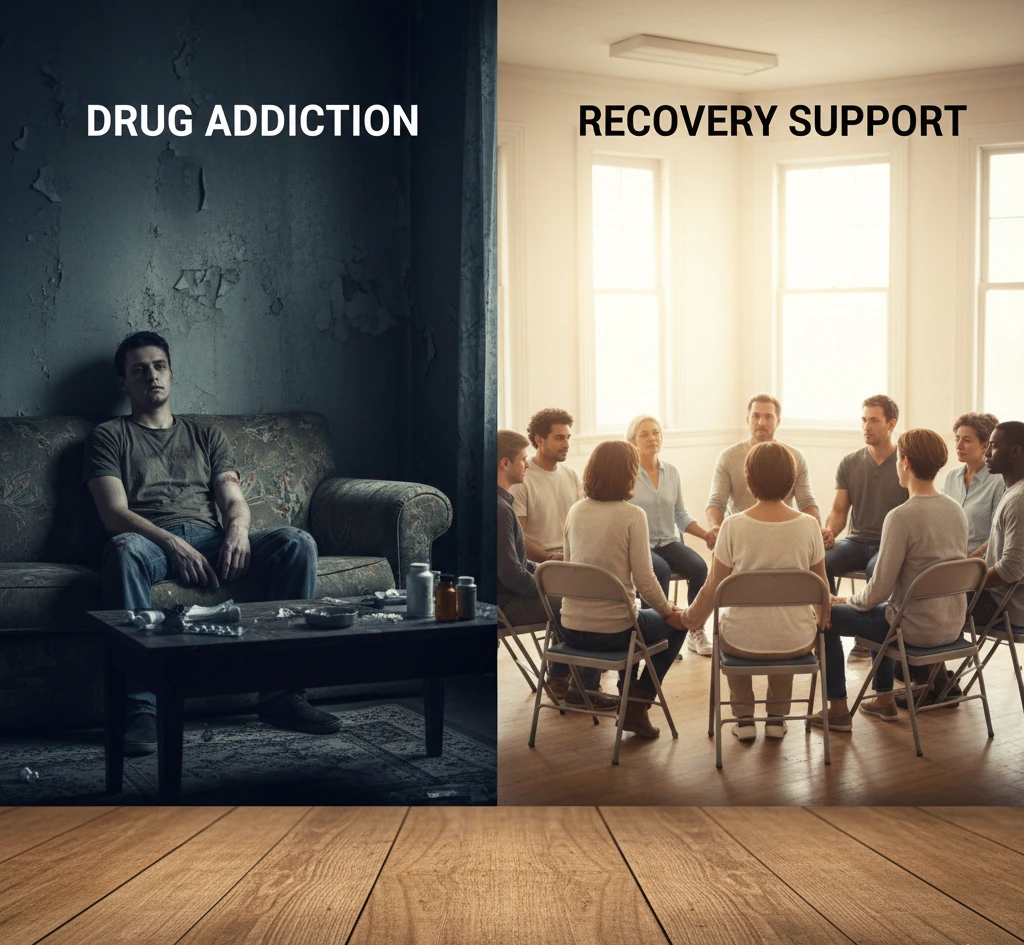
Recovery isn’t a single moment. It’s a process that unfolds over time, often with setbacks along the way. Effective recovery support usually includes:
Psychological Therapy
● Cognitive Behavioural Therapy (CBT)
● Trauma-informed therapy
● Motivational interviewing
● Relapse prevention strategies
Therapy focuses on understanding why the substance became necessary and building healthier coping tools.
Emotional Regulation Skills
● Managing stress without substances
● Identifying emotional triggers
● Building tolerance for discomfort
These skills are often missing, not broken.
Support Systems
● Professional mental health support
● Peer or group therapy
● Family education and involvement
At Psych Lounge, recovery is framed as growth, not punishment. The goal isn’t just stopping drug use. It’s building a life where drugs are no longer needed.
Relapse: A Reality, Not a Failure
Relapse is often misunderstood. It doesn’t mean recovery has failed. It usually means:
● A coping strategy wasn’t strong enough yet
● Stress exceeded available support
● An emotional trigger went unaddressed
What matters is how relapse is handled. With the right psychological support, relapse becomes information, not defeat.
When to Seek Professional Help ?
If drug use is affecting mental health, relationships, work, or safety, professional support can
make a real difference.
You don’t need to wait for a crisis.
Psychological support is especially important when:
● Attempts to stop haven’t worked
● Mental health symptoms are worsening
● Substances are being used to cope emotionally
● Life feels unmanageable without drugs
This is where platforms like Psych Lounge play a vital role offering structured, compassionate, and evidence-based mental health support.
Drug Addiction and Hope
Here’s what’s often missed in conversations about addiction. People recover. Brains adapt. Patterns change. With the right psychological support, individuals don’t just stop using drugs. They rebuild confidence, emotional stability, and self-trust. At Psych Lounge, addiction is treated with clarity, empathy, and respect for the individual behind the behaviour. Recovery isn’t about becoming someone new. It’s about reconnecting with who you were before survival took over.
FAQs
Is drug addiction a mental illness?
Drug addiction is recognised as a mental health condition involving changes in brain function, behaviour, and emotional regulation.
Can someone recover from drug addiction completely?
Yes. Many people achieve long-term recovery, especially with psychological support and consistent care.
Why do people relapse after treatment?
Relapse often occurs due to stress, emotional triggers, or insufficient coping strategies. It’s part of the recovery learning process, not a failure.
Does addiction only affect people with weak self-control?
No. Addiction affects people across all backgrounds and is influenced by brain chemistry, trauma, and environment.
How does Psych Lounge help with drug addiction?
Psych Lounge focuses on the psychological roots of addiction, offering evidence-based therapy, emotional support, and mental health-centred recovery guidance.