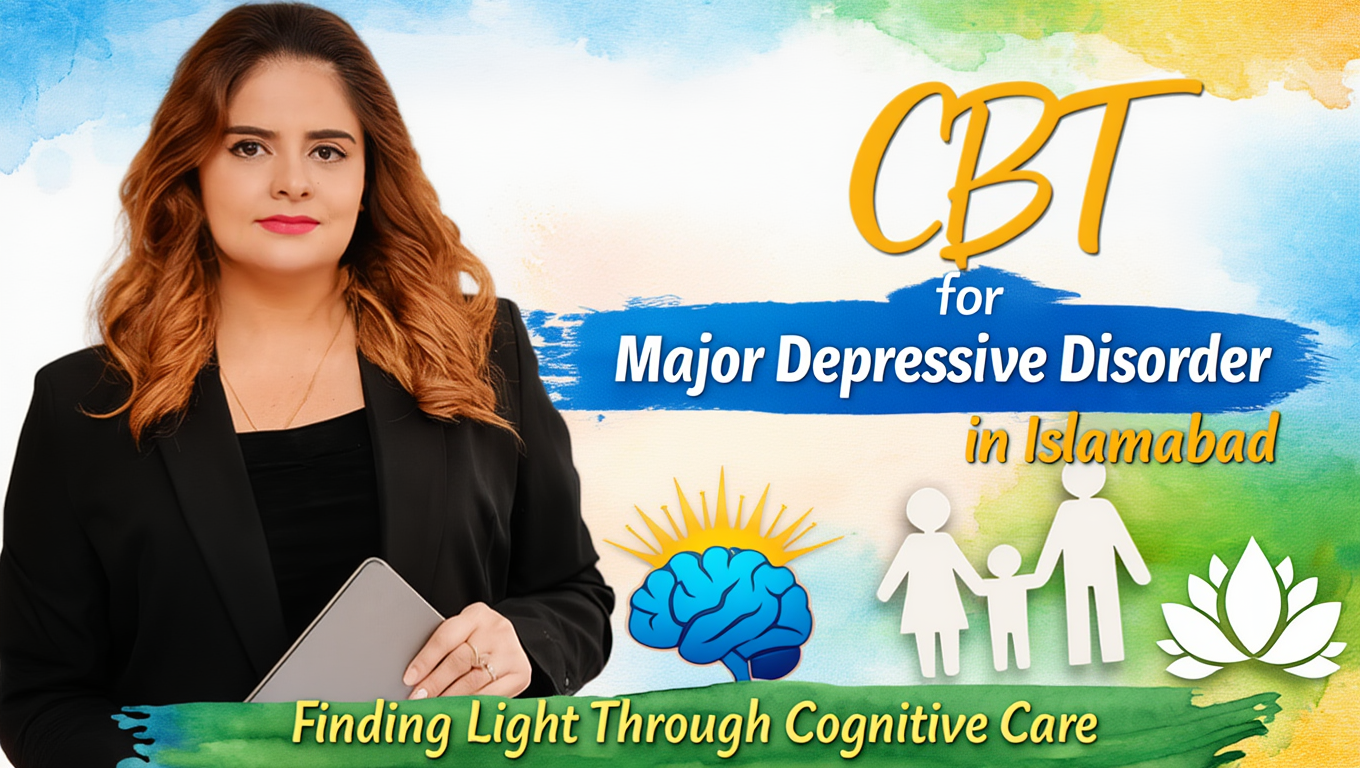
Major Depressive Disorder is more than occasional sadness. It can affect sleep, appetite, concentration, motivation, and the ability to experience pleasure. Many people describe it as feeling emotionally heavy or mentally exhausted for weeks or months at a time.
In Islamabad, individuals often continue working, studying, and meeting family responsibilities while quietly struggling. Because depression is not always visible, it may go unnoticed or be misunderstood. If low mood, hopelessness, or loss of interest has become persistent, CBT for Major Depressive Disorder offers a structured and evidence-based path toward recovery.
Understanding how this approach works can help you make informed decisions about your mental health.
What Is Major Depressive Disorder?
Major Depressive Disorder, often called clinical depression, is a diagnosable mental health condition characterised by persistent low mood and reduced interest in daily activities for at least two weeks, along with other emotional and physical symptoms.
According to the National Institute of Mental Health, depression affects how a person thinks, feels, and handles daily activities. The National Health Service also outlines that effective treatment often includes psychological therapies such as Cognitive Behavioural Therapy.
Depression is treatable. With structured support, many individuals experience meaningful improvement.
What Is CBT and Why Is It Effective for Major Depression?
Cognitive Behavioural Therapy, commonly known as CBT, is a structured form of psychotherapy that focuses on identifying and changing unhelpful thought patterns and behaviours that maintain depression.
CBT for Major Depressive Disorder focuses on:
- Identifying negative core beliefs
- Challenging self-critical thinking
- Increasing behavioural activation
- Rebuilding daily structure
- Strengthening coping skills
Depression often creates a cycle. Low mood reduces activity. Reduced activity reinforces feelings of worthlessness or hopelessness. CBT interrupts this cycle by introducing small, practical behavioural steps alongside cognitive restructuring.
It is collaborative and goal-oriented. You and your therapist work together to create measurable progress.
How CBT Targets Core Symptoms of Major Depressive Disorder
Addressing Negative Thinking Patterns
People with Major Depressive Disorder often experience automatic thoughts such as:
- “I am a failure.”
- “Nothing will improve.”
- “I am a burden.”
CBT helps identify these patterns and evaluate them realistically. The goal is not forced positivity. It is balanced thinking grounded in evidence.
Over time, this reduces emotional intensity and self-criticism.
Behavioural Activation
One of the most powerful components of CBT for depression is behavioural activation. Depression often leads to withdrawal from social, academic, or professional activities.
CBT encourages structured re-engagement in:
- Daily routines
- Meaningful tasks
- Physical movement
- Social contact
Even small actions can gradually improve mood and motivation.
Improving Problem-Solving Skills
Depression can make problems feel overwhelming. CBT teaches structured problem-solving techniques that reduce helplessness and increase a sense of control.
This is particularly helpful for individuals balancing work stress, academic pressure, or family responsibilities in Islamabad’s competitive environment.
What Happens in CBT Sessions for Major Depressive Disorder?
If you are considering therapy, knowing the process can ease uncertainty.
Initial Assessment
The therapist conducts a comprehensive assessment of mood symptoms, duration, lifestyle patterns, and personal history. The aim is clarity, not judgement.
Collaborative Goal Setting
Specific goals are defined. These may include improving sleep, reducing negative thinking, increasing productivity, or restoring interest in activities.
Structured Weekly Sessions
Each session typically includes:
- Review of mood changes
- Discussion of thought patterns
- Skill-building exercises
- Practical homework assignments
Homework is not academic pressure. It is real-life practice designed to strengthen new habits.
Progress Monitoring
CBT tracks measurable change. This helps both client and therapist adjust strategies when needed.
Confidentiality is strictly maintained. Many individuals in Islamabad worry about privacy due to social stigma. Ethical practice protects your information and ensures a safe therapeutic space.
How Long Does CBT for Major Depressive Disorder Take?
CBT is generally time-limited compared to some other therapies. Mild to moderate cases may show improvement within several weeks, while more severe depression may require longer structured support.
Duration depends on:
- Symptom severity
- Duration of depression
- Presence of additional anxiety or stress factors
- Client engagement with therapy tasks
Treatment is personalised rather than fixed.
CBT and Medication: Do They Work Together?
For moderate to severe Major Depressive Disorder, CBT may be combined with medication when clinically appropriate.
A psychiatrist can assess whether antidepressants are needed. CBT complements medication by addressing thought patterns and behavioural cycles that medication alone cannot change.
For some individuals, CBT alone may be sufficient. A proper assessment helps determine the right approach.
Choosing the Right CBT Therapist in Islamabad
If you are searching for depression therapy Islamabad options, consider:
- Formal CBT training
- Experience treating Major Depressive Disorder
- Clear treatment planning
- Structured session format
- Regular feedback and measurable progress
A supportive therapist will explain the approach clearly and encourage open discussion. Therapy should feel collaborative and respectful.
Common Myths About Major Depressive Disorder
Myth: Depression is just sadness
Major Depressive Disorder involves cognitive, emotional, and physical symptoms that go beyond temporary mood changes.
Myth: Strong people do not need therapy
Depression can affect anyone regardless of strength, education, or social status.
Myth: It will go away on its own
While some episodes improve naturally, structured treatment significantly increases recovery rates and reduces relapse risk.
Myth: Talking about it makes it worse
Structured therapy provides relief by organising thoughts and reducing emotional isolation.
Cost and Accessibility in Islamabad (2026 Context)
When considering affordable CBT therapy Islamabad 2026, practical planning is important.
CBT sessions in Islamabad may be available:
- In-person at clinical settings
- Online through secure platforms
- Weekly sessions lasting 45 to 60 minutes
Flexible scheduling supports working professionals and students. Clear communication about fees, duration, and expectations builds trust and reduces uncertainty.
Signs You Should Consider CBT for Major Depressive Disorder
You may benefit from professional support if:
- Low mood persists for weeks
- Motivation has significantly decreased
- Sleep or appetite patterns have changed
- You feel persistent hopelessness
- Concentration is impaired
- Daily functioning feels overwhelming
The best therapy is defined by fit and professional competence, not trends. A qualified psychologist can assess whether CBT is the most appropriate evidence-based option for your situation.
A Supportive Closing Note
Living with Major Depressive Disorder can feel isolating. Yet it is one of the most researched and treatable mental health conditions.
In Pakistan, more individuals are recognising the value of structured psychological care. Seeking CBT does not mean something is wrong with you. It means you are choosing practical, skill-based support for recovery.
With consistent guidance and effort, many people regain stability, confidence, and a sense of direction.
When you are ready to explore structured support in Islamabad, informed and compassionate care can help you move forward with clarity.