Discovering or even suspecting that a child has experienced abuse can be overwhelming for any parent or caregiver. Feelings of shock, guilt, anger, or confusion are common. In Pakistan, conversations about child abuse are often surrounded by silence, stigma, and fear of “log kya kahenge.”
Many families struggle privately, unsure of where to turn or whether therapy is necessary. Some worry about confidentiality. Others fear social consequences.
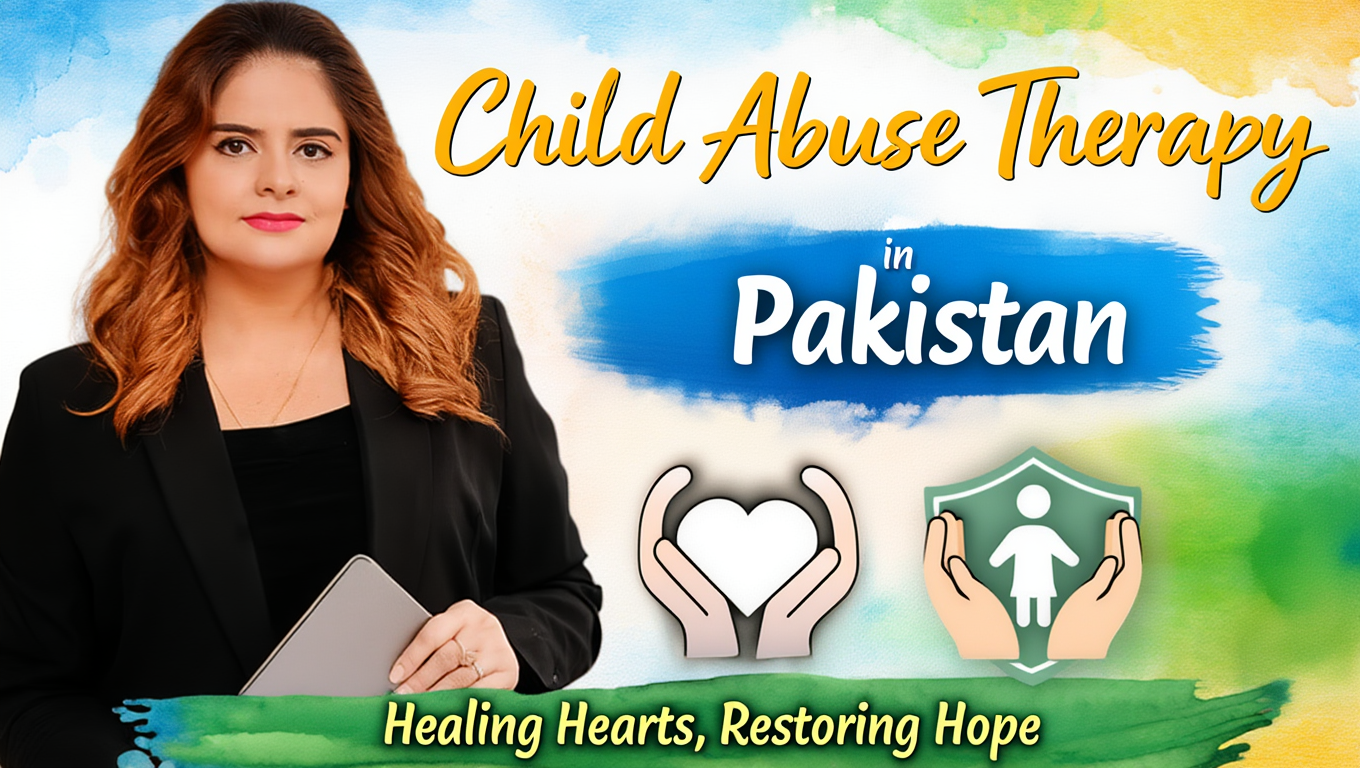
If a child has experienced physical, emotional, or sexual abuse, professional support is not a sign of weakness. It is a protective and healing step. Child abuse therapy in Pakistan provides structured, trauma-informed care that helps children process their experiences safely and rebuild emotional security.
Understanding how therapy works can help families make calm, informed decisions during a very sensitive time.
What Is Child Abuse Therapy and How Does It Help?
Child abuse therapy is a specialised form of trauma-focused psychological treatment designed to support children who have experienced harm, neglect, or exploitation.
It is not interrogation. It is not forcing a child to relive painful memories.
It is a carefully structured, evidence-based process guided by trained mental health professionals.
Trauma-informed therapy helps children:
- Feel emotionally safe again
- Process traumatic memories gradually
- Reduce anxiety, fear, and nightmares
- Address behavioural changes linked to trauma
- Rebuild trust and emotional stability
- Strengthen coping and self-protection skills
Professional child mental health services Pakistan use approaches such as Trauma-Focused Cognitive Behavioral Therapy (TF-CBT), play therapy, and attachment-based interventions depending on the child’s age and needs.
Why Early Therapy Matters After Abuse
Children often do not express trauma directly. Instead, it may appear through behaviour, mood changes, or physical symptoms.
You might notice:
- Sudden withdrawal or isolation
- Aggressive behaviour
- Sleep disturbances
- Regression (bedwetting, clinginess)
- Decline in school performance
- Fear of certain people or places
Without proper intervention, trauma can affect long-term emotional development.
Early, structured child abuse therapy in Pakistan can prevent prolonged anxiety, depression, trust issues, and self-esteem challenges later in life.
Creating Emotional Safety First
The first goal of therapy is emotional safety.
Children who have experienced abuse often feel confused, ashamed, or fearful. Therapy provides a predictable, confidential, and non-judgemental environment.
A trained child psychologist in Pakistan ensures:
- The child is not blamed
- The child is not pressured to speak before ready
- Sessions are paced gently
- Emotional regulation tools are introduced gradually
Safety is always prioritised before deeper trauma processing begins.
What Happens in Child Abuse Therapy Sessions?
Parents often ask: What happens during therapy? Will my child have to talk about everything immediately?
Understanding the process can reduce fear.
Initial Parent Consultation
The therapist begins with a detailed and confidential meeting with parents or guardians. This includes:
- Understanding the nature of concerns
- Reviewing behavioural changes
- Assessing safety measures
- Discussing legal or protective steps if needed
Confidentiality is strictly maintained within ethical and legal boundaries.
Child Assessment and Trust Building
Before discussing trauma directly, the therapist builds rapport.
For younger children, this may involve:
- Play-based interaction
- Drawing or storytelling
- Emotion identification games
For older children, structured conversation and coping skills exercises may be used.
Trust takes time. Therapy never rushes disclosure.
Trauma Processing (When Appropriate)
Once emotional stability is established, trauma processing may begin gradually.
This can involve:
- Narrative therapy techniques
- Trauma-focused CBT
- Cognitive restructuring
- Safe emotional expression exercises
The goal is not to erase memory but to reduce emotional distress linked to it.
Parent Guidance and Support
Parents are essential partners in healing.
Therapists provide guidance on:
- How to respond calmly to emotional reactions
- Avoiding blame or excessive questioning
- Creating consistent routines
- Supporting emotional regulation at home
Family support significantly improves recovery outcomes.
Addressing Cultural Sensitivity and Confidentiality in Pakistan
In Pakistan, families often hesitate to seek therapy due to social stigma or fear of exposure.
Professional clinics offering confidential therapy for children follow strict ethical codes:
- Private and secure sessions
- No disclosure without consent (except legal safety requirements)
- Respect for cultural and religious values
- Trauma-informed, non-judgemental approach
Healing should never compromise dignity or privacy.
Common Myths About Child Abuse Therapy
Misconceptions can delay essential support.
Myth: Talking about abuse will make things worse
Evidence-based trauma therapy reduces distress when conducted properly.
Myth: Children forget trauma naturally
Unprocessed trauma often resurfaces later in adolescence or adulthood.
Myth: Therapy is only needed in extreme cases
Any form of abuse or neglect can impact emotional development.
Myth: Seeking therapy will bring shame to the family
Protecting a child’s wellbeing reflects strength and responsibility.
Cost and Accessibility in Pakistan (2026 Context)
When exploring affordable therapy Pakistan 2026, families may worry about cost and availability.
Child abuse therapy may be available:
- In-person at licensed mental health clinics
- Through trauma-informed child psychologists
- Online sessions for older children (when clinically appropriate)
- Weekly structured sessions depending on therapeutic goals
Transparent communication about structure, fees, and expectations builds trust.
Frequency and duration depend on the child’s needs, not a fixed timeline.
Signs That Therapy Is Helping
Healing is gradual, but meaningful signs include:
- Reduced fear and anxiety
- Improved sleep patterns
- Better emotional expression
- Decreased aggression or withdrawal
- Increased sense of safety
- Rebuilding trust in caregivers
The goal of child abuse therapy in Pakistan is not just symptom reduction. It is restoring emotional security and healthy development.
A Gentle Word for Parents
If your child has experienced abuse, you may be carrying guilt or self-blame.
Please remember: responsibility lies with the perpetrator, not with you.
Seeking professional support is an act of protection and love.
In Pakistan, awareness about trauma-informed child therapy is growing, but stigma still exists. Choosing structured, evidence-based child mental health services Pakistan is a proactive and courageous decision.
At Psych Lounge, we are committed to culturally sensitive, trauma-informed, and confidential care delivered by qualified professionals.
When you are ready to explore safe and compassionate support for your child, we are here to guide you with care, clarity, and respect.