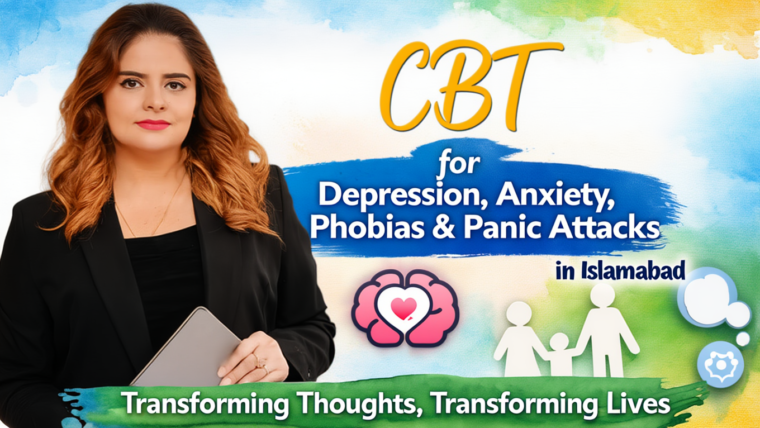
Mental health is just as important as physical health, yet many people are unsure where to turn when they are struggling emotionally. One of the most trusted and well-researched treatments available today is Cognitive Behavioral Therapy. Whether you are dealing with anxiety, depression, or everyday stress, understanding what CBT is and how it works can be the first step toward feeling better.
What is Cognitive Behavioral Therapy (CBT)?
Cognitive Behavioral Therapy, commonly known as CBT, is a structured, goal-oriented form of psychotherapy. It is based on the idea that our thoughts, feelings, and behaviors are deeply connected. When we change the way we think, we can change the way we feel and act.
CBT was developed in the 1960s by psychiatrist Dr. Aaron Beck, who noticed that his patients had automatic negative thoughts that contributed to their emotional distress. He found that by helping people identify and challenge those thoughts, they could significantly improve their mental well-being.
Unlike some other forms of therapy, CBT is practical, time-limited, and focused on the present. It gives you concrete skills you can use in real life, not just insights about the past.
At Psych Lounge, CBT is one of the primary therapeutic approaches used to help individuals, couples, and groups work through a wide range of mental health challenges.
How Cognitive Behavioral Therapy Works
The core principle of CBT is straightforward: your thoughts influence how you feel, and how you feel influences how you behave. By learning to identify and reshape unhelpful thinking patterns, you can break the cycle of negative emotions and behaviors.
The CBT Cycle
Here is a simple example of how the cycle works:
- Thought: “I always mess everything up.”
- Feeling: Sadness, shame, hopelessness
- Behavior: Avoiding responsibilities or withdrawing from others
CBT helps you interrupt this cycle at the thought level, so the feelings and behaviors can also shift.
What Happens in a CBT Session?
CBT sessions are structured and collaborative. A typical course of treatment involves the following steps:
1. Identifying Unhelpful Thoughts
You learn to notice automatic thoughts that trigger stress, fear, low mood, or anxiety. These are often so habitual that people do not even realize they are happening.
2. Challenging and Reshaping Those Thoughts
Your therapist helps you examine the evidence for and against your negative beliefs. You begin to replace distorted thinking with more realistic and balanced perspectives.
3. Practicing New Behaviors
CBT is not just about thinking differently. It also involves practicing healthier responses through role-playing, real-life exercises, and gradual exposure to feared situations.
4. Building Coping Strategies
You develop a personal toolkit of strategies for managing anxiety, stress, emotional triggers, and difficult situations in daily life.
5. Applying Skills Between Sessions
Homework is a key part of CBT. Using worksheets and structured exercises between sessions helps reinforce what you learn and speeds up progress.
CBT is typically short-term, usually lasting between 8 and 20 sessions, depending on the issue being addressed. As noted by the team at Psych Lounge, sessions can be adapted to suit your individual goals and comfort level.
Cognitive Behavioral Therapy Techniques
CBT uses a variety of proven techniques. Below are some of the most widely used ones:
Cognitive Restructuring
This technique involves identifying distorted or irrational thoughts and replacing them with more balanced, realistic ones. For example, changing “No one likes me” to “Some people may not connect with me, but many people in my life do care.”
Thought Records
A thought record is a written exercise where you document a distressing situation, the thoughts that came up, the emotions you felt, and a more balanced alternative thought. It is one of the most effective tools in CBT.
Behavioral Activation
This technique is especially helpful for CBT for depression. It involves scheduling positive activities to increase your sense of accomplishment, pleasure, and motivation.
Exposure Therapy
Used for anxiety and phobias, exposure therapy involves gradually and safely confronting feared situations. Over time, the fear response weakens because you learn that the feared outcome either does not happen or is manageable.
Relaxation and Mindfulness Techniques
CBT often incorporates breathing exercises, progressive muscle relaxation, and mindfulness to help you manage physical symptoms of stress and anxiety.
Problem-Solving Skills
CBT teaches a step-by-step approach to tackling life problems: define the problem, generate solutions, evaluate options, implement a plan, and review the outcome.
What Conditions Can CBT Help With?
CBT is one of the most extensively researched forms of therapy in the world. It has been shown to be effective for a wide range of conditions, including:
- Anxiety disorders including generalized anxiety, social anxiety, and panic disorder
- Depression and low mood
- Post-Traumatic Stress Disorder (PTSD) and trauma-related symptoms
- Obsessive-Compulsive Disorder (OCD)
- Eating disorders such as anorexia and bulimia
- Addiction and substance use
- Sleep disorders and insomnia
- Anger management issues
- Body dysmorphic disorder
- Low self-esteem and self-image concerns
At Psych Lounge, specialized CBT services are available for many of these conditions, including CBT for depression, anxiety, panic disorder, and self-esteem issues, with tailored treatment plans for every individual.
Benefits of Cognitive Behavioral Therapy
There are many reasons why CBT is one of the most recommended therapies by mental health professionals worldwide. Here are the key benefits:
Practical and Real-World Skills
CBT teaches you tools you can actually use outside of the therapy room. These skills stay with you long after your sessions end.
Time-Limited and Cost-Effective
Compared to open-ended therapy, CBT is relatively short. This makes it more accessible and affordable for many people.
Strong Research Backing
Decades of clinical studies support the effectiveness of CBT for a wide range of mental health conditions. It is considered a gold-standard treatment for anxiety and depression.
Lowers Risk of Relapse
Because CBT teaches you how to manage your own thoughts and behaviors, you are better equipped to handle future challenges without needing constant professional support.
Improved Emotional Regulation
CBT helps you understand your emotional responses and respond to situations with greater calm, clarity, and control.
Works for All Ages
CBT is effective for children, teenagers, adults, and older individuals. It can also be delivered in individual, couple, group, or online formats.
No Medication Required
While CBT can be used alongside medication, many people benefit from CBT alone. It is a non-pharmaceutical option with no side effects.
What CBT Is Not
There are a few common misconceptions about CBT worth addressing:
- CBT is not about forced positive thinking. It teaches balanced, realistic thinking, not fake optimism.
- CBT is not a quick fix. Real change takes consistent effort over several weeks.
- CBT is not passive. You will be asked to practice skills, reflect between sessions, and actively engage in the process. The more effort you put in, the stronger the results.
Exploring difficult thoughts and emotions is part of the journey. It can feel uncomfortable at first, but that discomfort is a sign of growth.
Is CBT Right for You?
CBT is a good fit for people who:
- Want a structured, goal-focused approach to therapy
- Are open to examining and changing their thought patterns
- Want to develop practical coping skills
- Are dealing with anxiety, depression, trauma, or other emotional challenges
- Prefer a shorter-term commitment compared to open-ended therapy
If you are unsure whether CBT is the right approach for you, speaking with a qualified therapist is the best first step. At Psych Lounge, experienced therapists work collaboratively with clients to create customized treatment plans that match their unique needs and goals.
Final Thoughts
So, what is Cognitive Behavioral Therapy? In simple terms, it is a proven, practical, and empowering form of therapy that helps you understand the connection between your thoughts, feelings, and actions. By learning to identify and change unhelpful thinking patterns, you can break free from cycles of anxiety, depression, and stress and build a healthier, more balanced life.
Whether you are just beginning to explore therapy or looking for a structured approach to long-standing mental health challenges, CBT offers evidence-based tools that genuinely work. Psych Lounge provides a safe, supportive, and professional environment where your journey toward better mental health can begin.
Ready to take the next step? Book a session with Psych Lounge today and discover how CBT can help you live with greater clarity, confidence, and calm.