Many parents feel unsure after their child’s autism diagnosis. You may be wondering what this means for school, friendships, communication, and everyday routines. In Islamabad, where conversations about developmental differences are still evolving, families often carry quiet concerns about stigma, family expectations, and “log kya kahenge.
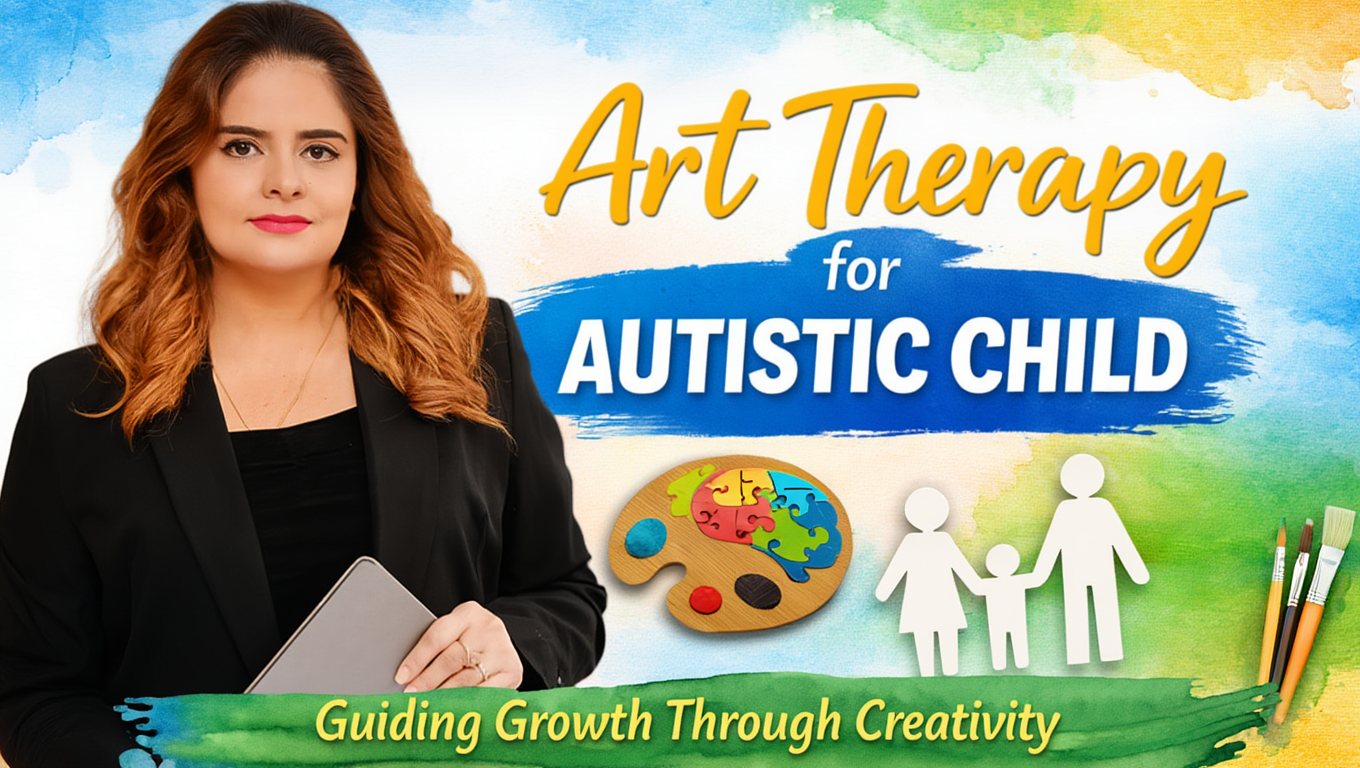
If your child struggles to express feelings through words, you might be exploring supportive options beyond medication or academic interventions. This is where art therapy for autistic child can offer something meaningful and practical. It provides a structured, sensory-aware space where children can communicate, regulate emotions, and build confidence without pressure.
For families seeking compassionate and professional support in the capital, understanding how art therapy works can help you make informed, confident decisions.
What Is Art Therapy and How Does It Help an Autistic Child?
Art therapy is a structured form of psychological therapy that uses creative processes such as drawing, painting, clay work, or collage to support emotional and behavioural development. It is not simply “doing arts and crafts.” It is guided by trained mental health professionals who understand child development, sensory needs, and therapeutic boundaries.
According to the National Institute of Mental Health, psychotherapy helps individuals recognise and manage thoughts, emotions, and behaviours in healthier ways. Similarly, the NHS overview of psychological therapies explains that therapy provides structured support tailored to individual needs. Art therapy fits within this broader evidence-informed framework.
For an autistic child, art therapy can support:
- Non-verbal emotional expression when spoken communication feels difficult
- Sensory processing support, helping children manage overstimulation
- Self-regulation skills, such as calming techniques and emotional awareness
- Safe emotional exploration without judgement or academic pressure
As outlined in Psychology Today’s therapy basics, therapy is most effective when it feels safe and collaborative. In art therapy, the focus is not on artistic talent. It is on expression, processing, and regulation.
A qualified therapist can help assess whether art therapy or another evidence-based approach best suits your child’s developmental level.
Why Art Therapy Can Be Especially Helpful for Children on the Autism Spectrum
Children on the autism spectrum often experience the world differently. Sensory input, social cues, and emotional signals can feel overwhelming or confusing. Art therapy provides a bridge between internal experience and external expression.
Supporting Non-Verbal Communication
Many autistic children communicate through gestures, behaviour, or creative expression rather than direct speech. Art offers a visual language.
Through colours, shapes, and textures, a child may express frustration, excitement, or anxiety without needing the “right” words. This can reduce emotional build-up and behavioural outbursts.
Improving Emotional Regulation
Emotional regulation does not develop automatically. It is learned gradually.
Structured creative tasks help children practise patience, sequencing, and focus. Over time, they begin to identify feelings such as anger or worry before they escalate. This supports smoother school routines and family interactions.
Enhancing Social Skills in a Safe Way
Traditional classroom settings in Islamabad can be academically demanding and socially complex. Group expectations, noise levels, and peer dynamics may feel intense.
Art therapy can gently introduce turn-taking, shared projects, and collaborative play in a calm environment. This supports social development without overwhelming the child.
Reducing Anxiety Through Sensory Integration
Sensory sensitivities are common among autistic children. Bright lights, loud sounds, or certain textures may trigger distress.
Art therapy settings are designed to be sensory-aware. Materials are chosen carefully. The pace is adjusted to the child. Predictable routines provide comfort. This structured environment can help reduce anxiety and increase tolerance for everyday situations.
What Happens in an Art Therapy Session?
Parents often ask, What happens in art therapy sessions for autism? Understanding the process can ease uncertainty.
Initial Assessment
The therapist begins with a detailed parent consultation. This includes developmental history, school concerns, communication patterns, and sensory sensitivities.
The goal is not to label but to understand the child’s strengths and challenges.
Individualised Plan
Based on the assessment, a personalised plan is developed. Therapy goals may focus on emotional expression, anxiety reduction, behavioural regulation, or social interaction.
Every child is different. Progress is paced according to developmental readiness.
Structured Creative Activities
Sessions may include guided drawing, storytelling through pictures, clay modelling, or themed creative tasks.
The therapist observes not only the artwork but the process. How does the child respond to frustration? How do they handle transitions? These observations guide therapeutic interventions.
Parent Involvement and Progress Tracking
Parental involvement is important. Regular feedback sessions help families understand patterns and reinforce strategies at home.
Confidentiality and informed consent are central to ethical practice. Many Islamabad parents initially worry about privacy in a close-knit community. Professional therapists follow strict ethical guidelines to protect your family’s confidentiality.
To learn more about how sessions are structured, you can explore our detailed overview of therapy sessions and different therapeutic approaches offered by our team.
How to Choose the Right Art Therapist in Islamabad
If you are searching for autism therapy Islamabad options, qualifications matter.
Here is a simple checklist to guide you:
- Experience working with autism spectrum conditions
- A sensory-aware and child-friendly therapeutic environment
- Clear parent involvement and feedback framework
- Transparent therapy goals and structured progress reviews
You may also want to review the therapist’s background through the psychologist in Islamabad section and learn about our team’s philosophy on the About Us page.
A supportive therapist will welcome your questions and encourage collaborative decision-making.
Common Myths About Art Therapy for Autism
Misconceptions can prevent families from exploring helpful options. Let’s gently address a few.
Myth: Art therapy is just drawing pictures
Art therapy is structured psychological support using creative tools. The therapeutic relationship and process matter more than the artwork itself.
Myth: It replaces speech therapy
Art therapy does not replace speech or occupational therapy. It can complement them by supporting emotional regulation and communication confidence.
Myth: Only severely autistic children need therapy
Children across the spectrum may benefit from developmental support. Therapy is not about severity. It is about meeting individual needs.
Myth: Therapy means something is “wrong”
Autism is a neurodevelopmental difference, not a flaw. Therapy supports skill-building and emotional wellbeing. It does not attempt to change a child’s identity.
Cost and Accessibility in Islamabad (2026 Context)
When considering affordable therapy Islamabad 2026, parents often balance school fees, medical expenses, and family responsibilities.
Art therapy sessions in Islamabad may be available:
- In-person at clinical settings
- Online for older children who can engage virtually
- Weekly or biweekly, depending on therapeutic goals
Flexible scheduling is particularly important for school-going children. Evening or weekend appointments can reduce academic disruption.
Transparent communication about session structure and expectations builds trust. If you have questions about availability or formats, you can reach out through our contact page for guidance.
Therapy is a gradual process. Frequency and duration are tailored to the child’s needs rather than fixed timelines.
How Do I Know If a Therapist Is Right for My Child?
Parents often ask how art therapy helps autistic children in real life?
The answer lies in small, meaningful shifts:
- A child begins expressing frustration through drawing instead of aggression
- Anxiety before school reduces gradually
- Emotional vocabulary expands, even non-verbally
- Transitions at home become smoother
The “best therapy for autistic child in Islamabad” is not defined by popularity. It is defined by fit. Comfort. Trust. Consistency.
A qualified therapist can help assess whether art therapy, behavioural support, or another developmental intervention best supports your child’s growth.
A Gentle Word for Parents
Seeking support does not mean you have failed. It means you are paying attention.
In Pakistan, many families are navigating autism with limited public awareness and social understanding. Choosing structured child mental health services is a proactive step, not a reactive one.
Art therapy for autistic child provides a calm, respectful space for expression, regulation, and growth. It honours your child’s individuality while supporting practical skills for school, relationships, and daily life.
At Psych Lounge, we are committed to culturally sensitive, evidence-informed care delivered by qualified professionals. You can learn more about our services and approach on our homepage.
When you are ready to explore supportive options for your child, we are here to guide you with care and clarity.


Comments
Fahad Sarwar Aleem
Great job
I see professionalism, dedication and passion.
Any kind of therapy can work wonders if providers have above qualities.
Masha Allah
Alhamdulillah