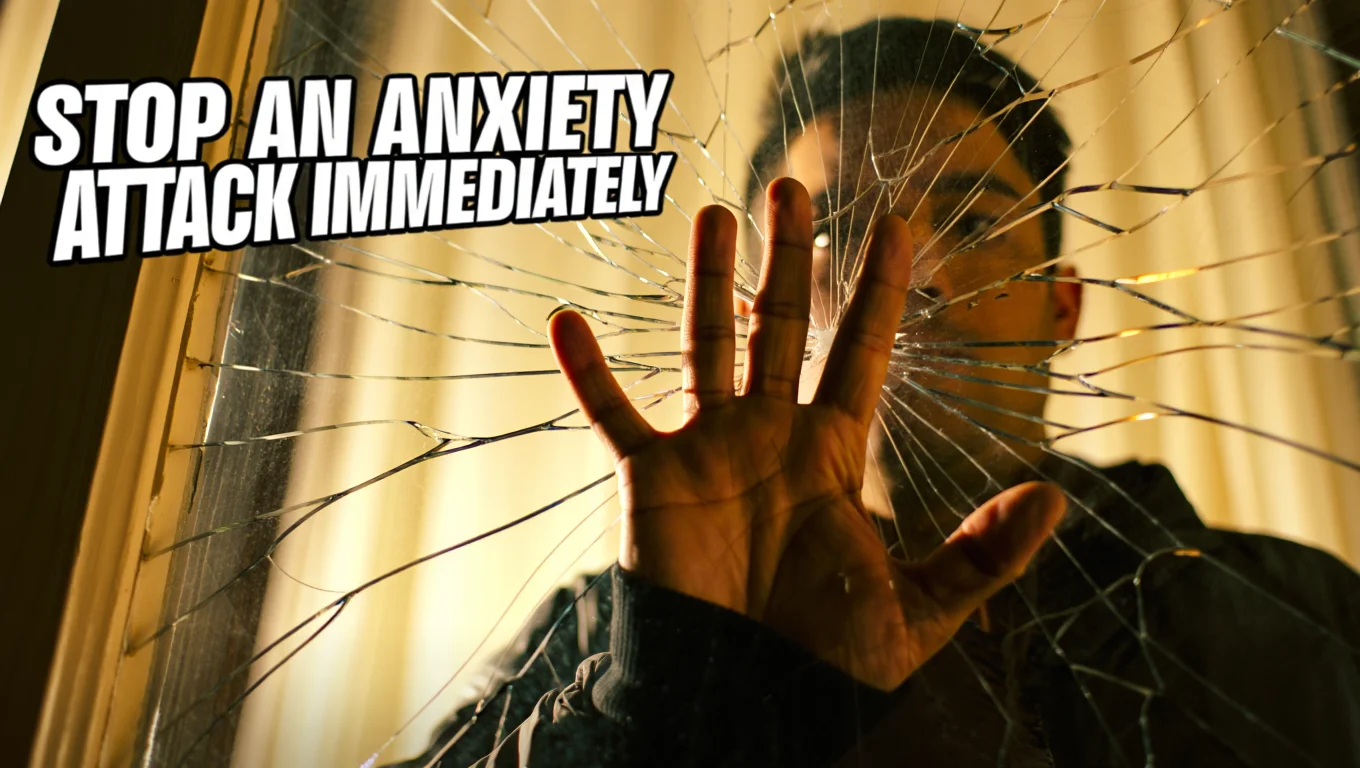
Feeling your heart race out of nowhere? Struggling to breathe? Palms sweaty for no clear reason? If this sounds familiar, you may be experiencing an anxiety attack. The good news is that there are real, proven ways to stop an anxiety attack immediately, and this guide will walk you through all of them, step by step.
At Psych Lounge, we believe that understanding your mental health is the first step toward managing it. So let us start from the beginning.
What Is an Anxiety Attack?
An anxiety attack, sometimes called a panic attack, is a sudden wave of intense fear or discomfort that comes on quickly and peaks within minutes. It is your body’s ‘fight or flight’ response firing off at the wrong time, often when there is no real danger present. Learn more about anxiety disorders from the National Institute of Mental Health.
Unlike general anxiety that builds gradually, an anxiety attack can hit without warning. If this happens often, CBT for panic disorder may be one of the most effective treatments available. Understanding what is happening inside your body can actually help you feel more in control when it occurs.
Signs and Symptoms of an Anxiety Attack
Knowing the signs helps you respond faster. Common symptoms include:
- Rapid or pounding heartbeat
- Shortness of breath or feeling like you cannot breathe
- Chest tightness or pain
- Dizziness or lightheadedness
- Shaking or trembling
- Sweating, even in a cool room
- A feeling of being detached from reality
- Fear that something terrible is about to happen
- Numbness or tingling in the hands or feet
- Nausea or an upset stomach
These symptoms feel frightening, but they are not dangerous. Your body is responding to perceived stress, and these feelings will pass. Reminding yourself of this is already one small step toward knowing how to calm down anxiety instantly.
Immediate Techniques to Stop an Anxiety Attack
These are the most effective methods to stop an anxiety attack fast. You can use them anywhere, at any time.
1. Try Controlled Breathing (Box Breathing)
When anxiety hits, your breathing becomes shallow and fast, which actually makes the symptoms worse. Slowing your breath sends a direct signal to your nervous system to calm down.
Try box breathing:
- Breathe in through your nose for 4 counts
- Hold your breath for 4 counts
- Breathe out slowly through your mouth for 4 counts
- Hold again for 4 counts
Repeat this 4 to 5 times. Within a couple of minutes, you will likely notice your heart rate slowing and your mind becoming slightly clearer. This is one of the most reliable quick anxiety relief tips at home or anywhere else.
2. Use the 5-4-3-2-1 Grounding Technique
This is one of the best tools for how to deal with sudden anxiety attacks. It pulls your mind out of panic mode and brings it back to the present moment.
Here is how it works:
- 5 things you can see (a chair, your hands, a window)
- 4 things you can touch (your shirt, the floor, a pen)
- 3 things you can hear (traffic, music, your own breathing)
- 2 things you can smell (coffee, fresh air)
- 1 thing you can taste (a sip of water, mint, gum)
By engaging your five senses, you interrupt the panic loop and reconnect with your surroundings. This technique works remarkably well and is especially helpful for how to calm anxiety in public places.
3. Reassure Yourself Out Loud or In Your Head
Anxiety loves silence. It fills that silence with worst-case thoughts. Fight back with simple, reassuring statements:
- “This feeling will pass. It always does.”
- “I am safe right now.”
- “This is anxiety, not danger.”
- “I have handled this before.”
You may not fully believe these words in the moment, but saying them redirects your brain’s attention. This is a core part of how to relax your mind quickly from anxiety.
4. Cold Water on Your Face or Wrists
Splashing cold water on your face or running it over your wrists activates the dive reflex, a natural calming mechanism in your body that slows the heart rate and reduces feelings of panic. This is a fast and simple way to get physical relief within seconds.
If you are at home, you can even hold a small ice cube in your hand for a few seconds. The sharp cold sensation interrupts the anxiety spiral by shifting your focus to something physical and immediate.
5. Move Your Body
Even small movement helps. Walk around the room, do ten jumping jacks, or gently stretch your arms and neck. Physical movement burns off the stress hormones that fuel an anxiety attack, particularly adrenaline and cortisol.
You do not need to go for a run. Even standing up and pacing for 60 seconds can make a noticeable difference when you need to control panic attacks quickly.
Techniques for Different Situations
How to Stop an Anxiety Attack at Home
At home, you have the most options available. Use the breathing techniques above, take a warm shower, put on calming music, or dim the lights. Lie down on the floor and feel the solid surface beneath you. This is called “earthing” and it works by grounding your awareness in your physical environment.
You can also use a calming playlist, a weighted blanket, or a few drops of lavender essential oil nearby. These multi-sensory tools help your nervous system downshift faster.
How to Calm Anxiety in Public Places
Public anxiety attacks are especially stressful because they carry an extra layer of embarrassment or fear of being seen. Here is what helps:
- Step away from crowds if possible, even into a bathroom stall or a quieter hallway
- Focus your eyes on a fixed point in front of you and breathe slowly
- Use the 5-4-3-2-1 grounding technique quietly in your head
- Text a trusted friend to let them know how you feel
- If you wear earbuds, put one in and play something familiar and calming
Remember: most people around you have no idea what is happening inside you. You are safer than it feels.
Natural Ways to Stop Anxiety Attacks Fast
Beyond the immediate techniques, some natural approaches work well alongside them:
- Chamomile tea: Known for its mild calming properties, it can help ease physical tension
- Magnesium-rich foods: Bananas, nuts, and dark chocolate can support the nervous system
- Aromatherapy: Lavender, bergamot, and peppermint are scents associated with relaxation
- Journaling: Writing down your thoughts during or after an anxiety attack helps process the experience and reduce its intensity over time
- Breathing apps: Apps like Calm or Headspace offer guided sessions designed specifically for panic relief
These natural ways to stop anxiety attacks fast are not substitutes for professional care, but they are helpful tools to have in your daily routine.
Long-Term Prevention Tips
Stopping an anxiety attack in the moment is important. But learning how to reduce how often they happen is just as valuable. Here are some habits that help over time:
- Regular exercise: Even 20 to 30 minutes of walking a day significantly lowers baseline anxiety levels
- Consistent sleep: Poor sleep is one of the biggest triggers for anxiety attacks. Aim for 7 to 9 hours each night
- Limit caffeine and alcohol: Both are known to trigger or worsen anxiety symptoms
- Practice daily mindfulness: Even 5 minutes of mindful breathing each morning can rewire your stress response over weeks
- Reduce screen time before bed: Scrolling through social media at night feeds anxiety. Try reading or light stretching instead
- Build a support network: Talking openly about your anxiety with people you trust reduces the shame around it and lightens the emotional load
At Psych Lounge, we always encourage readers to treat mental health with the same consistency they give physical health. Prevention is not about eliminating stress. It is about building a stronger, calmer baseline.
When to Seek Professional Help
If you are experiencing anxiety attacks frequently, if they are interfering with your daily life, or if you feel unable to manage them on your own, consider booking therapy sessions with a mental health professional. This is not a sign of weakness. It is one of the smartest, most courageous things you can do.
A therapist or counselor trained in CBT for anxiety can work with you to identify your triggers, change the thought patterns that fuel anxiety, and build lasting coping tools. Medication may also be discussed with a doctor if your symptoms are severe.
Signs it may be time to seek help:
- Anxiety attacks are happening more than once a week
- You are avoiding situations out of fear of having an attack
- Sleep, work, or relationships are being seriously affected
- You feel hopeless or depressed alongside the anxiety
You do not have to wait until things feel unbearable. Starting with a psychological assessment can help identify the root cause and guide the right treatment path.
Conclusion
An anxiety attack feels overwhelming in the moment, but it is not dangerous and it will pass. By using techniques like controlled breathing, grounding exercises, cold water exposure, and movement, you can stop an anxiety attack immediately and begin to feel like yourself again.
The key is practice. The more familiar these tools become, the faster they will work when you need them most. Combine these immediate techniques with long-term habits like sleep, exercise, and mindfulness, and over time you will find that anxiety has far less power over you.
At Psych Lounge, we are here to make mental health information feel accessible, practical, and kind. You are not alone in this, and help is always within reach.