
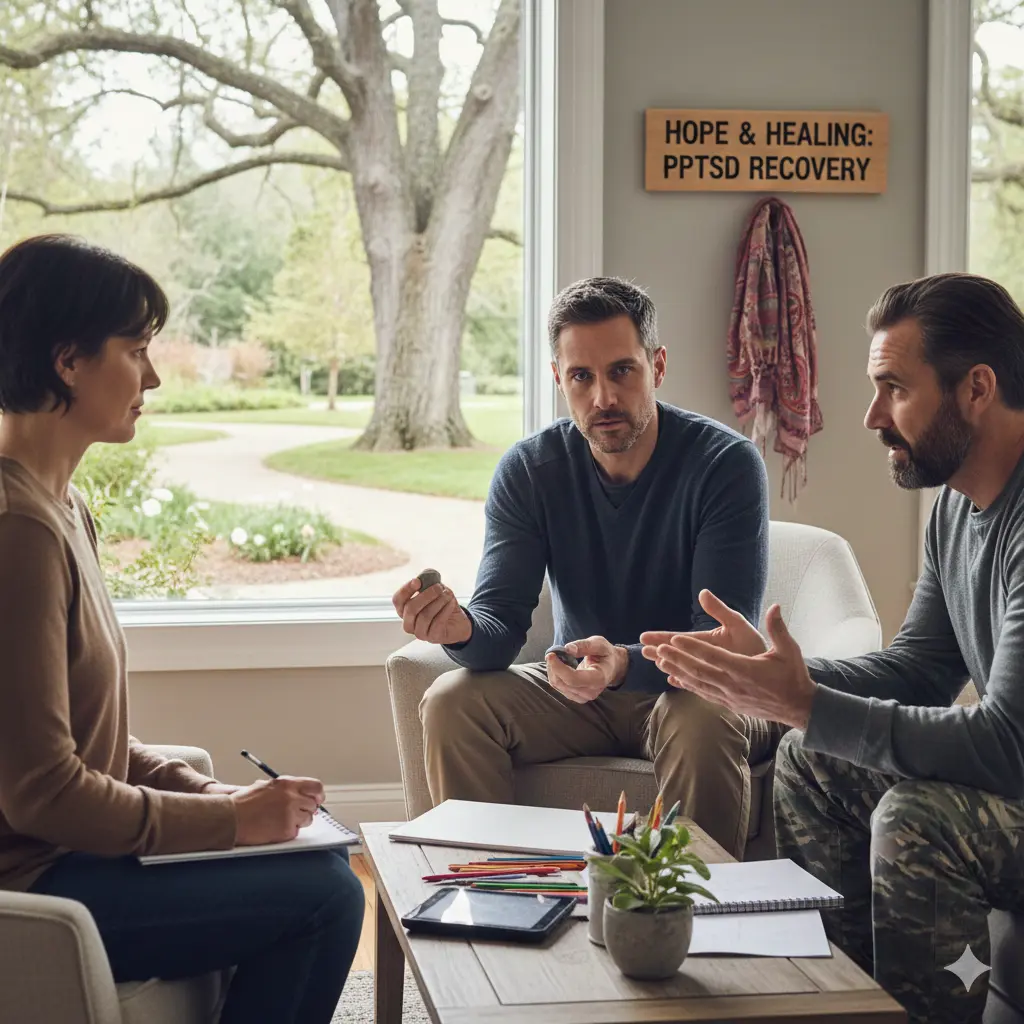
Post-Traumatic Stress Disorder is a complicated way of living. All simple daily chores may look overwhelming, and the memories of previous traumatic experiences may appear at the most unpredictable time. That’s why effective PTSD treatment is so important it’s about helping you regain control, feel safe, and rebuild your life. This paper will address how PTSD can be effectively dealt with in practice, what sort of treatment is possible, and how an expert can help.
What Exactly is PTSD?
PTSD is an illness of the mind that is developed following the occurrence of traumatic event or its observation. It may be a severe accident, physical attack, or natural calamity or a war. PTSD patients frequently have:
- Flashbacks or intrusive memories.
- Avoidance of places, activities that are associated with the trauma.
- Uneasy or hypersensitive.
- The self-blame or world-blame.
The good news? Recognizing these signs early opens the door to effective PTSD treatment and better quality of life.
Different Types of PTSD Treatment
1. Talk Therapy (Psychotherapy)
The initial step in the recovery of PTSD can be talk therapy. It can assist individuals to cope with trauma, comprehend their feelings and come up with coping mechanisms.
Other forms of therapy commonly used are:
- Cognitive Behavioral Therapy (CBT): What can be changed is the negative thinking and developed with more healthier coping skills.
- Eye Movement Desensitization and Reprocessing (EMDR): This is a form of processing traumatic memories through the use of guided eye movements.
- Exposure Therapy: This involves exposure to triggers that are related to the trauma you are fearful about in a safe situation to minimize fear and anxiety.
2. Medication
There are cases when treatment is not sufficient. Antidepressants (SSRI) medications can be used to treat such symptoms as anxiety, depression, or sleep disturbances. Majority of the experts suggest medication and therapy in order to achieve the best results.
3. Holistic Approaches
The process of healing is not only a mental one but towards the entire body and lifestyle. Holistic approaches that can support PTSD treatment include:
- Mindfulness and meditation
- Yoga or gentle exercise
- Art, music or creative therapies.
Such techniques can be used to relieve stress, enhance emotional well-being, and enhance conventional interventions.
4. Support Groups
It is so therapeutic to have a conversation with someone who knows how you feel. Support groups offer a secure platform where one can share and get support, as well as learn coping mechanisms with individuals who have gone through the same predicament.
Why Early PTSD Treatment Makes a Difference?
The faster you can begin getting better the sooner you can see improvement. Early care can:
- Minimize the severity of the symptoms.
- Prevent: affected by PTSD at work or relationships.
- Boost your coping skills
- Reduce the chances of other problems such as depression or drug use.
- Selecting the Appropriate Treatment plan.
Finding the right approach to PTSD treatment isn’t one-size-fits-all. As a professional, one will put into consideration aspects such as:
- Severity of your symptoms
- You like and feel comfortable.
- Past mental health history
- The people that you have at home or work.
An individual approach provides you with the highest probabilities of recovery.
When exploring PTSD treatment, you may also come across terms like:
- Trauma therapy
- Post-traumatic stress healing.
- Anxiety management
- Emotional resilience
- Psychological counseling
Being aware of these can also assist you in browsing resources and knowing your resource better.
Principles of Trusting Experts
When seeking PTSD treatment, trust is crucial. Here’s why EEAT matters:
- Skills: There is evidence-based care provided by licensed therapists and psychiatrists.
- Authoritativeness: Adherence to guidelines of a reputable nature will guarantee safe and effective treatment.
- Reliability: Ethics and confidentiality fosters a positive healing atmosphere.
Final Thoughts
PTSD is not something to shun and it can be cured. Effective PTSD treatment whether through therapy, medication, holistic practices, or support groups can help you regain control, process trauma, and live fully again. These may be the first steps to a brighter and healthier future as long as you or a loved one is struggling with PTSD and seek professional assistance.
FAQ’s
1. How long does PTSD treatment usually take?
It takes time, and so that of others. Individuals have recorded improvement in a few weeks, but others might require several months of treatment. The trick is to be regular and to collaborate with a specialist in order to discover what suits you.
2. Can PTSD be completely cured?
PTSD does not resolve itself overnight, but effective treatment can considerably decrease the symptoms and enable you to live a prosperous life. A lot of individuals are taught how to handle their triggers and be able to control their emotions.
3. Does PTSD require any medication?
Not always. There are those who respond positively to therapy and those who require medication to treat anxiety, depression, or sleeping disorders. Frequently, a combination of therapy and drug is the most effective treatment.
4. Do you really think support groups are helpful?
Absolutely. Conversing with people in a group that know what you are going through can help with the feeling of isolation and give you coping strategies. It is so empowering to share your story in a safe environment.
5. Is lifestyle change helpful in PTSD?
Yes! Such activities as mindfulness, yoga, routine physical activities, and creative outlets can supplement the traditional treatment and enhance the emotional state. Minor routines can become huge in the long run.